¶ Threaded Holes in 3D Printing
¶ Overview
Threaded holes are critical for fastening and assembling components in 3D printed parts, requiring precise execution for optimal functionality.
¶ Challenges in Printing Threaded Holes
- Resolution Limitations: Very fine threads are challenging to print, particularly for FDM printers.
- Material Strength: 3D printed threads are weaker and more susceptible to stripping than traditional metal threads.
- Layer Adhesion: Poor layer adhesion can weaken threads, affecting their durability.
¶ Solutions for Effective Threaded Holes
¶ Metal Threaded Inserts
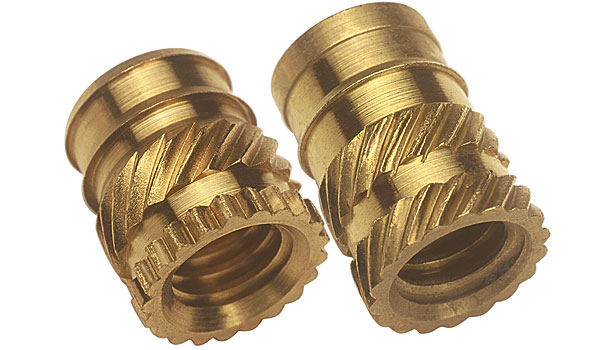
- Optimal Strength: Metal inserts provide superior strength and durability, making them ideal for threaded holes in 3D prints.
- Hole Sizing: Design holes to be slightly larger than the diameter (~0.4mm) of the Insert. The inserts have teeth which then melt into the Material
- Insertion Technique: Use a soldering iron to melt inserts into place. This method creates a strong bond between the insert and the printed material.
- Practical Tips:
- Use a normal soldering tip for casual insertions. Be cautious, as the tip can grab the insert. A spoon can be used to hold the insert in place while removing the soldering iron and to smooth any plastic bulge.
- Invest in a specialized soldering tip for the best results. These tips are designed to accommodate inserts and facilitate easier insertion.
- The shell thickness should be >= 2mm to provide good strength.
- Cubic infill is highly recommended at a percentage so that it supports the insert.
- Design the hole deeper than the insert.:
The tip of the soldering iron does not hit the plastic below.
Any overflow plastic can gather below the insert.
When the hole is slightly deeper than the insert, you can ensure it sits flush with the surface.
| Screw Size | Diameter | Hole Width |
|---|---|---|
| M2 | 3.75mm | 4.1mm |
| M3 | 4mm | 4.45mm |
¶ Pre-Designed ScrewHoles
- Directly incorporate threads into the 3D model, suitable for high-resolution printers.
more info in the Metric Screws Page
¶ 3D Printed Threads
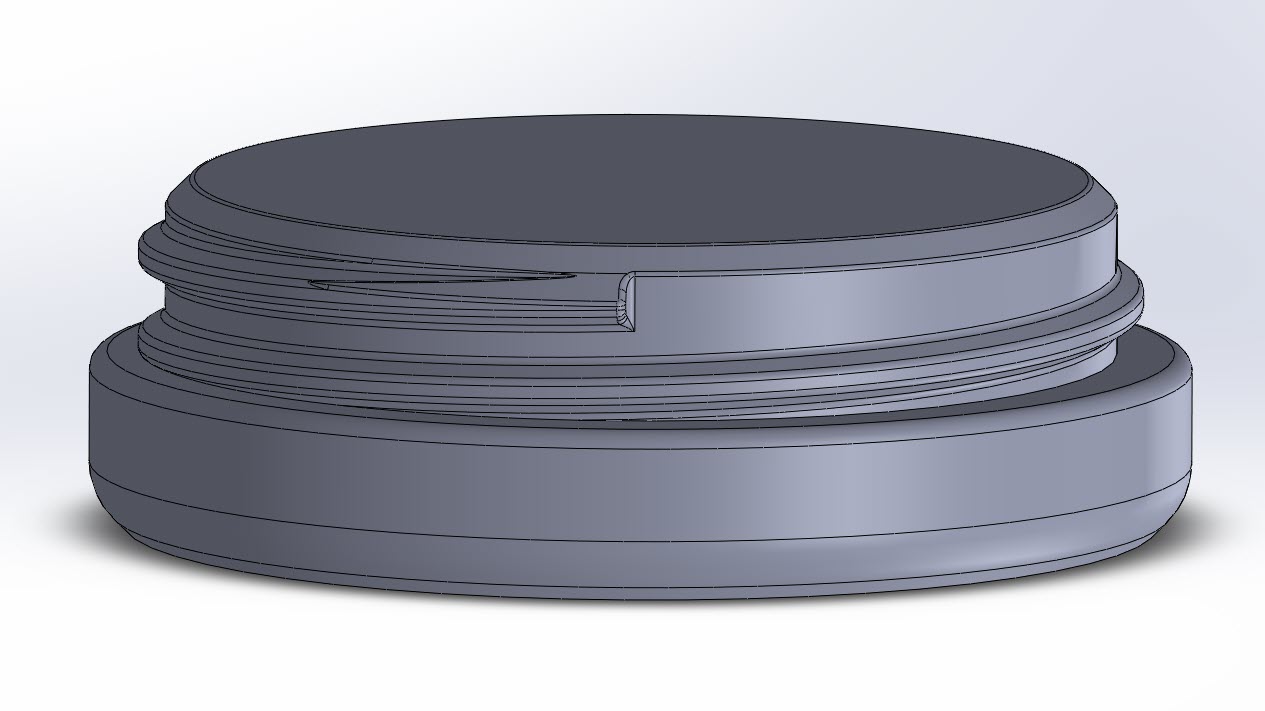
For larger 3d Printed threads, I have made good experience with SP-400-L-5 threads and a gap tolerance of 0.3mm.
Note there should ideally be a small champfer and the thread start should not go to the very edge for easier insertion
¶ Post-Processing
- Manually tap the holes after printing for precise thread creation.
¶ Layer Orientation
- Print with layers perpendicular to the force direction to increase thread strength.
¶ Material Choice
- Select materials like PETG or Nylon for their strong layer adhesion and durability.
¶ Hex Nut
- a matching slot for a Hex-Nut is commonly used, although I have made the experience that the hex-nuts usually work the material due to their flat shape and just rotate together with the screw in the Hole.